King’s College NHS Trust – Patient information video
The Brief
King’s College NHS Trust sought an effective way to manage patient expectations and provide clear instructions for patients undergoing dental treatments involving sedation. Traditional patient information leaflets were not fully engaging or effective in conveying the necessary information. The goal in making this animation was to address patient anxiety, provide crucial pre-treatment guidelines, and ensure patients were well-prepared for their procedures.
The Approach
The video aimed to provide comprehensive guidance on several key points: managing routine medication, avoiding alcohol and recreational drugs before the treatment and ensuring patients have an able-bodied escort to accompany them post-treatment.
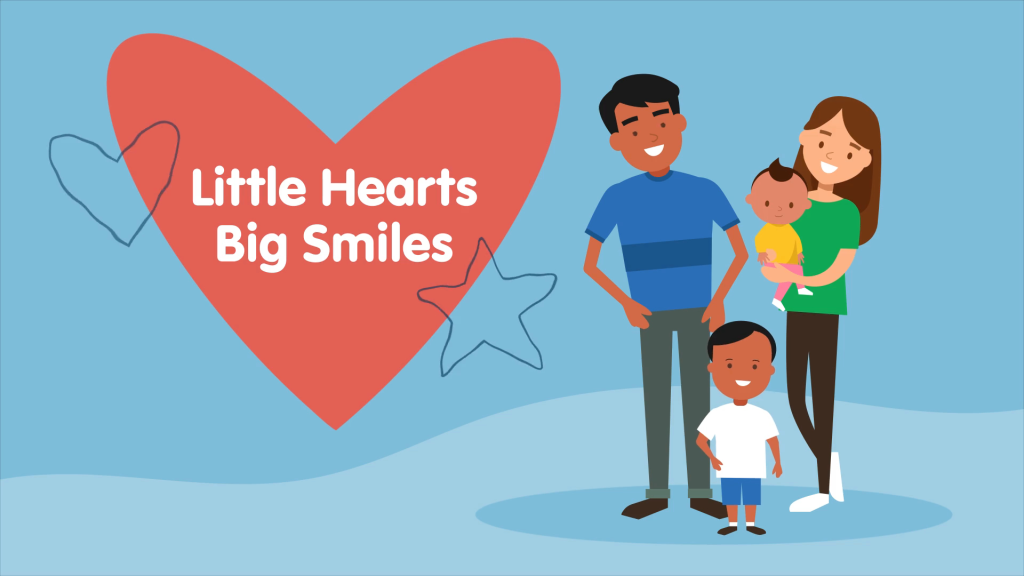
To enhance engagement and relatability, the animation featured a diverse cast of characters from different ethnicities and backgrounds, including a pregnant woman. This representation ensured that a wide audience could see themselves reflected in the video, making the content more accessible and inclusive.
The video was designed to be used in multiple ways: to be shown by healthcare professionals during patient consultations, sent via email or text message along with appointment reminders and be made available on YouTube and the hospital’s website for easy access.
The combination of written text, audio explanations, and engaging graphics provided a comprehensive and multi-sensory learning experience for patients. This method was chosen to elevate the information beyond traditional leaflets, offering a more dynamic and memorable way to communicate essential pre-treatment guidelines.
The Result
The animated explainer video proved to be an invaluable tool for King’s College NHS Trust, achieving significant reach and impact. With over 85,000 views on YouTube and counting, it has become a lasting resource for patients, supplementing the information provided in consultations and offering a convenient reference point for pre-treatment guidance.
King’s conducted research to assess the video’s effectiveness, gathering feedback from patients and chaperones through questionnaires. The results were overwhelmingly positive: 94% of patients found the video helpful, 81% felt it improved their understanding of pre-treatment preparation, and nearly 45% watched it at least once outside the clinical setting. Among chaperones who viewed the animation, 98.6% of their patients found it reassuring that they had done so, and over half reported that it clarified their role before, during, and after treatment. Notably, 98.9% of patients said they would recommend the animation to others undergoing IV sedation.
Recognising its success, the team at King’s presented the animation at professional events as an example of best-practice patient engagement, sparking interest from other healthcare organisations such as the British Association of Oral Surgeons who now feature it on their website. To facilitate wider use while maintaining King’s branding, we created a watermarked version for external distribution. You can read more about their findings and the animation’s impact in the article they published in the Dental Update Journal.
Pharmacy funding settlement explainer
Read more...
MDU international medical graduates video
Read more...
SRUK patient information animation series
Read more...
Terrence Higgins Trust – PrEP 2025
Read more...